Sunday, April 2, 2023
Moral Unequivalency
David Weinberg
Everybody in the world, and just about everybody in Israel, appropriately is condemning the vigilante rampage through Huwara Feb. 26, in which dozens of cars, businesses, and homes were torched following the Palestinian terrorist murder in that terrible town of two Israeli brothers.
Obviously, I share these sentiments. Not only is such vigilante action immoral, but it mars Israel’s reputation around the world. And it risks further escalation of terrorism.
It is, of course, professional Israel Defense Forces soldiers, not overheated settler youth, which should be ploughing through Huwara, arresting and interrogating terrorist suspects and bulldozing every building from which Israeli Jews have been shot at.
Huwara long has been one of the most dangerous towns in Samaria. Almost every building along its main north-south street has served as a hideout for terrorists, forcing Israelis to run a daily gauntlet of boulders, Molotov cocktails and rifle fire.
But this is where I part ways with distraught condemners of the riot in Huwara. I certainly do not agree with the top IDF general in Judea and Samaria, Central Command Maj. Gen. Yehuda Fuchs, who this week termed the attack a “pogrom.”
Compared to the ongoing Palestinian terrorist mega-pogrom against Israeli Jews, the Huwara rampage must rank as one the weakest pogroms in the ugly history of pogroms.
In 2022, there were more than 5,000 Palestinian terror attacks against Israeli Jews, including car ramming, shootings and stabbings and bombings of innocent men, women and children.
These attacks included over 500 Molotov cocktail attacks, firebombs, leading to the injury of more than 150 Israelis. There was a 210% rise in rock throwing incidents in 2021 over 2020 and a 156% rise in bomb throwing incidents in 2021 over 2020. The comparative statistics for 2022, not yet fully tabulated, are even worse. Over the past month alone, Palestinian terrorists have slaughtered 15 Israelis.
These murderous attacks constitute a continuing Palestinian mega-pogrom against Israel. By contrast, nobody was raped, kidnapped or murdered during the events in Huwara, although it could yet come to that if the IDF does not diligently pursue and prosecute the perpetrators.
Col. (res.) Amir Avivi, CEO of Israel’s Defense and Security Forum, argues that the entire issue of “settler violence” has been blown out of proportion.
“Without meaning to diminish the ugliness of extremist attacks on Palestinians,” he said, “300 or so attacks a year against Palestinian property and 100 attacks against individuals – these are the U.N. figures – pales in comparison to 5,000 Palestinian boulder, bomb and shooting attacks a year aimed at killing Israeli civilians. Certainly, events on the scale of the riot in Huwara are almost unknown.”
“And 300 attacks on property and 100 attacks against individuals committed by a few extremists at the fringes of a half-million-person strong and peaceful community of Israelis who live over the Green Line calculates to a level of violence that is lower than the level of violence (by Israelis against Israelis) that afflicts greater Tel Aviv.”
He further argues that Palestinian terrorist acts are no longer just a tactical nuisance. “They have become a strategic challenge for Israel. They are a street-level expression of a broader Palestinian and Islamist attack against Israel led by the Palestinian Authority and Hamas, who provide political tail wind to it.”
Worse yet still, according to a new study by Lt. Col. (res.) Yaron Buskila and Lt. Col. (res.) Maurice Hirsch of the Israel Defense and Security Forum, is that Israeli courts have done much too little to deter and punish Palestinian perpetrators of violence.
In 95% of the rock and bomb throwing cases brought before Israeli civilian and military courts in 2019-2020, the sentences handed down against perpetrators were far below the maximum sentences possible in Israeli law. Some sentences were minuscule, amounting only to days of incarceration.
The average prison term assessed for serious rock throwing attacks was 8.3 months, and the average prison term assessed for murderous bomb throwing attacks was 13 months – when the law allows for 10-25 years in prison for these offenses. In 11% of the rock and bomb throwing cases, no penalties were imposed at all.
In fact, not all Palestinian attackers were prosecuted. In 2020, only 21% of rock throwers in reported and documented incidents were indicted and prosecuted and only 33% of bomb throwers were indicted and prosecuted.
“These attacks, the lax Israeli operational and legal response to them, and the world’s equanimity in the face of such, sap the sense of personal security for Israeli civilians, and reinforce the sense of ‘successful jihad’ against Israel for Palestinian extremists,” warn Buskila and Hirsch.
Hirsch, who was head of IDF military prosecution in Judea and Samaria until 2016, adds that Palestinian terrorists are thrice incentivized to commit acts of violence: Once by weak Israeli prosecution, once by international stillness, and once again by the Palestinian Authority’s terrorist reimbursement and reward program, which provides NIS 600 million a year in salaries for jailed terrorists and their families.
There is no moral equivalence whatsoever between Palestinian terrorists and Israeli settlers, even the most violent among them. Terrorism against Jews and Israelis is widely supported by Palestinian Arabs and their political parties. Whereas in Israel, support for vigilante violence against Arabs is limited to the tiniest of tiny segment of Israeli opinion; and those who engage in it are subject to denunciation and prosecution.
Which brings me back to anguished condemnations of the Huwara attack this week. “Shame,” opined the international association of Conservative/Masorti rabbis. “The Holy One created all of humanity in the Divine Image, and every person must act to increase the Divine Presence in our world…”
Given the dangerous and escalating Palestinian violence detailed above, and the weak world and Israeli government response to such violence, one would also expect to hear calls from liberal Jewish organizations and Israelis of the Left for a crackdown on Palestinian terrorists and their Palestinian government supporters.
Alas, it seems that the focus on sporadic settler violence and yes, in the grand scheme of things, we are speaking of isolated incidents, obscures the far greater violence perpetrated in the West Bank every single day by extremist Palestinians against non-violent Israelis.
Without in any way diminishing the need to condemn the torching in Huwara, one must ask: Where have all the sorrowful Jewish organizations been over the past year, and especially over the past month, as Israeli Jews living in Judea and Samaria and Jerusalem have been picked-off by Palestinian terrorists like ducks in a shooting gallery?
Would it have been too much for any of the liberal Jewish organizations abroad and multiple Israeli associations of the Left to issue a public call, at any time over the past year, which evinces a little more concern for the lives of Israeli civilians caught in the slingshots and gun-sights of Palestinian terrorists?
Might they have launched crowdfunding campaigns for Israeli victims of Palestinian terror, not just for Palestinian villagers targeted by Israeli extremists? And yes, it bears repeating: Even one such extremist is too many.
Might they vociferously have condemned the pay-for-slay Palestinian political culture that perpetuates terrorism and makes peace impossible and marched on Washington to ensure that the U.S. government truly pressures Ramallah to end this revolting policy?
Apparently, they need reminding that there is no moral equivalence whatsoever between Palestinian terrorists and Israeli settlers, even the most violent among them. Terrorism against Jews and Israelis is widely supported by Palestinian Arabs and their political parties. Whereas in Israel, support for vigilante violence against Arabs is limited to the tiniest of tiny segment of Israeli opinion; and those who engage in it are subject to denunciation and prosecution.
Perhaps some people need reminding and that includes some foreign governments who profess to be friends of Israel that the enemies of peace are Palestinian terrorists, the type of people who this week murdered Elan Ganeles and Hillel and Yagil Yaniv; not the overwhelmingly peaceful and law-abiding Israeli residents of Judea, Samaria, and Jerusalem.
Everybody in the world, and just about everybody in Israel, appropriately is condemning the vigilante rampage through Huwara Feb. 26, in which dozens of cars, businesses, and homes were torched following the Palestinian terrorist murder in that terrible town of two Israeli brothers.
Obviously, I share these sentiments. Not only is such vigilante action immoral, but it mars Israel’s reputation around the world. And it risks further escalation of terrorism.
It is, of course, professional Israel Defense Forces soldiers, not overheated settler youth, which should be ploughing through Huwara, arresting and interrogating terrorist suspects and bulldozing every building from which Israeli Jews have been shot at.
Huwara long has been one of the most dangerous towns in Samaria. Almost every building along its main north-south street has served as a hideout for terrorists, forcing Israelis to run a daily gauntlet of boulders, Molotov cocktails and rifle fire.
But this is where I part ways with distraught condemners of the riot in Huwara. I certainly do not agree with the top IDF general in Judea and Samaria, Central Command Maj. Gen. Yehuda Fuchs, who this week termed the attack a “pogrom.”
Compared to the ongoing Palestinian terrorist mega-pogrom against Israeli Jews, the Huwara rampage must rank as one the weakest pogroms in the ugly history of pogroms.
In 2022, there were more than 5,000 Palestinian terror attacks against Israeli Jews, including car ramming, shootings and stabbings and bombings of innocent men, women and children.
These attacks included over 500 Molotov cocktail attacks, firebombs, leading to the injury of more than 150 Israelis. There was a 210% rise in rock throwing incidents in 2021 over 2020 and a 156% rise in bomb throwing incidents in 2021 over 2020. The comparative statistics for 2022, not yet fully tabulated, are even worse. Over the past month alone, Palestinian terrorists have slaughtered 15 Israelis.
These murderous attacks constitute a continuing Palestinian mega-pogrom against Israel. By contrast, nobody was raped, kidnapped or murdered during the events in Huwara, although it could yet come to that if the IDF does not diligently pursue and prosecute the perpetrators.
Col. (res.) Amir Avivi, CEO of Israel’s Defense and Security Forum, argues that the entire issue of “settler violence” has been blown out of proportion.
“Without meaning to diminish the ugliness of extremist attacks on Palestinians,” he said, “300 or so attacks a year against Palestinian property and 100 attacks against individuals – these are the U.N. figures – pales in comparison to 5,000 Palestinian boulder, bomb and shooting attacks a year aimed at killing Israeli civilians. Certainly, events on the scale of the riot in Huwara are almost unknown.”
“And 300 attacks on property and 100 attacks against individuals committed by a few extremists at the fringes of a half-million-person strong and peaceful community of Israelis who live over the Green Line calculates to a level of violence that is lower than the level of violence (by Israelis against Israelis) that afflicts greater Tel Aviv.”
He further argues that Palestinian terrorist acts are no longer just a tactical nuisance. “They have become a strategic challenge for Israel. They are a street-level expression of a broader Palestinian and Islamist attack against Israel led by the Palestinian Authority and Hamas, who provide political tail wind to it.”
Worse yet still, according to a new study by Lt. Col. (res.) Yaron Buskila and Lt. Col. (res.) Maurice Hirsch of the Israel Defense and Security Forum, is that Israeli courts have done much too little to deter and punish Palestinian perpetrators of violence.
In 95% of the rock and bomb throwing cases brought before Israeli civilian and military courts in 2019-2020, the sentences handed down against perpetrators were far below the maximum sentences possible in Israeli law. Some sentences were minuscule, amounting only to days of incarceration.
The average prison term assessed for serious rock throwing attacks was 8.3 months, and the average prison term assessed for murderous bomb throwing attacks was 13 months – when the law allows for 10-25 years in prison for these offenses. In 11% of the rock and bomb throwing cases, no penalties were imposed at all.
In fact, not all Palestinian attackers were prosecuted. In 2020, only 21% of rock throwers in reported and documented incidents were indicted and prosecuted and only 33% of bomb throwers were indicted and prosecuted.
“These attacks, the lax Israeli operational and legal response to them, and the world’s equanimity in the face of such, sap the sense of personal security for Israeli civilians, and reinforce the sense of ‘successful jihad’ against Israel for Palestinian extremists,” warn Buskila and Hirsch.
Hirsch, who was head of IDF military prosecution in Judea and Samaria until 2016, adds that Palestinian terrorists are thrice incentivized to commit acts of violence: Once by weak Israeli prosecution, once by international stillness, and once again by the Palestinian Authority’s terrorist reimbursement and reward program, which provides NIS 600 million a year in salaries for jailed terrorists and their families.
There is no moral equivalence whatsoever between Palestinian terrorists and Israeli settlers, even the most violent among them. Terrorism against Jews and Israelis is widely supported by Palestinian Arabs and their political parties. Whereas in Israel, support for vigilante violence against Arabs is limited to the tiniest of tiny segment of Israeli opinion; and those who engage in it are subject to denunciation and prosecution.
Which brings me back to anguished condemnations of the Huwara attack this week. “Shame,” opined the international association of Conservative/Masorti rabbis. “The Holy One created all of humanity in the Divine Image, and every person must act to increase the Divine Presence in our world…”
Given the dangerous and escalating Palestinian violence detailed above, and the weak world and Israeli government response to such violence, one would also expect to hear calls from liberal Jewish organizations and Israelis of the Left for a crackdown on Palestinian terrorists and their Palestinian government supporters.
Alas, it seems that the focus on sporadic settler violence and yes, in the grand scheme of things, we are speaking of isolated incidents, obscures the far greater violence perpetrated in the West Bank every single day by extremist Palestinians against non-violent Israelis.
Without in any way diminishing the need to condemn the torching in Huwara, one must ask: Where have all the sorrowful Jewish organizations been over the past year, and especially over the past month, as Israeli Jews living in Judea and Samaria and Jerusalem have been picked-off by Palestinian terrorists like ducks in a shooting gallery?
Would it have been too much for any of the liberal Jewish organizations abroad and multiple Israeli associations of the Left to issue a public call, at any time over the past year, which evinces a little more concern for the lives of Israeli civilians caught in the slingshots and gun-sights of Palestinian terrorists?
Might they have launched crowdfunding campaigns for Israeli victims of Palestinian terror, not just for Palestinian villagers targeted by Israeli extremists? And yes, it bears repeating: Even one such extremist is too many.
Might they vociferously have condemned the pay-for-slay Palestinian political culture that perpetuates terrorism and makes peace impossible and marched on Washington to ensure that the U.S. government truly pressures Ramallah to end this revolting policy?
Apparently, they need reminding that there is no moral equivalence whatsoever between Palestinian terrorists and Israeli settlers, even the most violent among them. Terrorism against Jews and Israelis is widely supported by Palestinian Arabs and their political parties. Whereas in Israel, support for vigilante violence against Arabs is limited to the tiniest of tiny segment of Israeli opinion; and those who engage in it are subject to denunciation and prosecution.
Perhaps some people need reminding and that includes some foreign governments who profess to be friends of Israel that the enemies of peace are Palestinian terrorists, the type of people who this week murdered Elan Ganeles and Hillel and Yagil Yaniv; not the overwhelmingly peaceful and law-abiding Israeli residents of Judea, Samaria, and Jerusalem.
התפללו לרפואתו של הרב אביגדור נבנצל שליט"א
הרב אביגדור נבנצל בן ה-87 אושפז בבית החולים לאחר שהדבק בקורונה ולקה בדלקת ריאות. שמו המלא לתפילה: הרב אביגדור יחזקאל בן שיינכא הילדה.
לַמְנַצֵּחַ בִּנְגִינוֹת עַל הַשְּׁמִינִית, מִזְמוֹר לְדָוִד.
יְיָ אַל בְּאַפְּךָ תוֹכִיחֵנִי, וְאַל בַּחֲמָתְךָ תְיַסְּרֵנִי. חָנֵּנִי יְיָ, כִּי אֻמְלַל אָנִי רְפָאֵנִי יְיָ כִּי נִבְהֲלוּ עֲצָמָי. וְנַפְשִׁי נִבְהֲלָה מְאֹד, וְאַתָּה יְיָ, עַד מָתָי. שׁוּבָה יְיָ, חַלְּצָה נַפְשִׁי, הוֹשִׁיעֵנִי לְמַעַן חַסְדֶּךָ. כִּי אֵין בַּמָּוֶת זִכְרֶךָ, בִּשְׁאוֹל מִי יוֹדֶה לָּךְ. יָגַעְתִּי בְּאַנְחָתִי, אַשְׂחֶה בְכָל לַיְלָה מִטָּתִי בְּדִמְעָתִי, עַרְשִׂי אַמְסֶה. עָשְׁשָׁה מִכַּעַס עֵינִי, עָתְקָה, בְּכָל צוֹרְרָי. סוּרוּ מִמֶּנִּי כָּל פֹּעֲלֵי אָוֶן, כִּי שָׁמַע יְיָ קוֹל בִּכְיִי. שָׁמַע יְיָ תְּחִנָּתִי, יְיָ תְּפִלָּתִי יִקָּח. יֵבֹשׁוּ וְיִבָּהֲלוּ מְאֹד כָּל אֹיְבָי, יָשֻׁבוּ יֵבֹשׁוּ רָגַע.
החינוך הממלכתי דתי
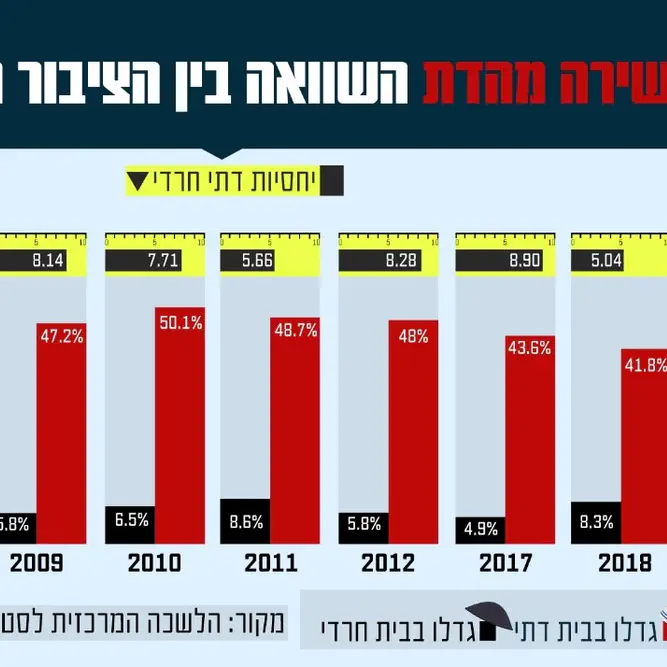
איני יודע כמה מכם קראו את המאמר של הרב אלי סדן, שכתב כי 42% מבוגרי החינוך הממלכתי-דתי אינם מגדירים את עצמם דתיים כיום.
המשמעות של הדברים היא שבחינוך הממלכתי-דתי (החמ"ד) יש היום כ-350,000 תלמידים. אם 42% מהם נושרים זה אומר ש-147,000 תלמידים שגדלו בבתים דתיים לא שומרים היום שבת, מתפללים אולי ביום כיפור, אולי לא אוכלים כשר ונראה שלא שולחים את הילדים שלהם לחינוך דתי.
המספר הולך ויורד, ועדיין גבוה מאוד
המחדל מתמשך כבר שנים רבות. לשמחתנו מספר הנושרים הולך ויורד, אבל עדיין מגיע לאחוזים מבהילים. לפני כ-12 שנים היו 50% דתל"שים בחינוך הממלכתי-דתי, ואילו היום מדובר בקצת יותר מ-40% דתל"שים. לא מדובר על דתל"שים שבאו ממשפחות חילוניות או מסורתיות אלא על דתל"שים שגדלו בבתים דתיים, למדו במוסדות החינוך של החמ"ד שמונה עד 12 שנה ואף יותר ויצאו חילונים ברמה זו או אחרת.
כמו שרפת 150 אלף ספרי תורה
ניסיתי להגדיר לעצמי את גודל המחדל, וחשבתי בתחילה שזה דומה לשרפת ספר תורה. אבל אחר כך אמרתי שלא מדובר בספר תורה אחד, מדובר בכמעט 150 אלף ספרי תורה נשרפים. אני חייב להגדיר לעצמי את הסיפור הזה בהגדרות מדויקות יותר. לצערי ההשוואה שלי היא לאסון ששקול כנגד שרפת ההיכל או אולי שרפת בית המקדש. אני לא מוצא דימוי אחר שיכול לתאר את ממדי האסון וגודלו.
פיגוע ברמה הלאומית
שימו לב: לא מדובר כאן רק בפיגוע ברמה משפחתית, מדובר כאן בפיגוע ברמה הלאומית. אם היינו משכילים לשמור על הגבולות בציבור הדתי-לאומי, היינו היום הכוח המוביל במדינה. אם אתם רוצים נקודה להשוואה, תראו איך הציבור החרדי צמח במהלך השנים מ-9% במערכת החינוך הציבורית לכמעט 30% במערכת (ומגיע לו יישר כוח על כך). לעומת זאת הציבור הדתי-לאומי לא מצליח לצמוח יחסית לגודלו. הוא היה 20% מהמערכת החינוך ונשאר 20% מהמערכת למרות הילודה הגדולה בציבור הזה, שהייתה יכולה להכפיל ולשלש את מספרה כמו שעושה הציבור החרדי.
לא חייבים להיות חרדים בשביל להצליח בחינוך
אילו היינו משכילים לשמר את הילדים שלנו כפי שהציבור החרדי משמר את הילדים שלו, היינו יכולים להגדיל אותו היום לכמעט 50% ממערכת החינוך. זו הייתה יכולה להיות מהפכה ברמה לאומית בכל הרמות האפשריות. ברמה הפוליטית וברמת ההשפעה על אופי המדינה. חשוב מאוד לומר: לא חייבים להיות חרדים עם כל סל הדעות שלהם בשביל לשמור על רמת נשירה נמוכות. בדקנו: הרבה מוסדות בציבור הדתי-לאומי מצליחים לשמור על רמות נמוכות מאוד של נשירה, והם עושים זאת באמצעות דרך ברורה באמונה, דרך ברורה בשמירת מצוות, דרך ברורה באהבת ה' ובשמחה במצוות, בלי לומר 'כל אחד והאמת שלו'. בלי לטשטש את הזהות והדרך, ולתת הרבה מאוד גאוות יחידה.
לא לחיות בשקר – זה אל"ף-בי"ת
חשוב לציין כי יש מי שמרמים את עצמם ומעדיפים לחיות בהונאה עצמית כדי שלא יצטרכו לקום מהכורסה ולשנות את אורחות חייהם. ההונאה העצמית היא הסכנה הגדולה ביותר של המערכת. חייבים לשקף את המציאות האמיתית לעצמנו, להורים, למנהלים, לרבני הקהילות ולמובילי דעת הקהל אפילו אם היא כואבת. אם נדע כולנו כל הזמן מה המציאות, חזקה עלינו שנעשה כל מה שביכולתנו כדי לשפר ולתקן. אם נעדיף למצוא אנשים שישמיעו לנו את המסקנות שאנו רוצים לשמוע, לא נשנה כלום ולא נתקן כלום.
בבדיקות יסודיות מתגלה המסקנה העגומה
בגלל החשיבות הגדולה של הנתונים האלה שכרו איגוד רבני הקהילות, קבוצת אח"י (אסטרטגיה יהודית חינוכית) והרב יהושע שפירא את שירותיו של דרור יהב, חוקר יהדות בת זמננו ובוגר 8200. הוא בדק ומצא ש-14 מחקרים נעשו לאורך השנים באוניברסיטאות ובמכוני מחקר למיניהם. הוא ראיין חלק גדול מהחוקרים, והנתונים של רובם מקבילים פחות או יותר לנתונים של הלשכה המרכזית לסטטיסטיקה.
הלמ"ס בודקת את הנושא הזה בתוך מכלול שלם של נושאים חברתיים ומפרסמת על כך נתונים במשך יותר מעשר שנים במסגרת 'הסקר החברתי'. הנתונים של הלמ"ס נראים אמינים מכמה סיבות: גם כי אין להם אג'נדה, גם כי הם גוף ציבורי שמבצע את הסקר מדי שנה על אלפי נבדקים, גם כי הם בודקים את הנתונים האלה ברצף של יותר מעשור, וגם כי רואים את השינוי המתמשך לאורך שנים.

המשמעות של הנתונים הללו היא שבשנת 2007 הייתה בציבור הדתי-לאומי נשירה של 50.8%, ובשנת 2019 הייתה בציבור הדתי-לאומי נשירה של 43.3%. זה נתון חיובי שאומר שאומנם יש ירידה בנשירה של 7%–8%, ועל כך מגיע יישר כוח לכל מי שפועל בנושא. אולם אנו עדיין מדברים על נשירה של יותר מ-43%!
מבתים ליברליים הנשירה גדולה יותר
נתון מעניין שבדקו שני חוקרים (ריץ' ווינוגרד-ג'אן, 2004) הוא הקשר שבין רמת הדתיות בבית לבין רמת הנשירה. האם פתיחות וחשיפה לתכנים חילוניים מחזקת את הילדים, הנערים והנערות או מחלישה אותה? יש מי שטוענים כי דווקא חברה מעורבת תכין את הילדים לחיים נכון יותר והם יעזבו את הדת פחות ופחות. אך בנושא זה אי אפשר להתווכח עם הנתונים: ככל שרמת ההקפדה בבית הייתה גבוהה יותר, כך הייתה מידת ההתרחקות (הממוצעת) מן הדת נמוכה יותר, ולהפך: ככל שההקפדה על שמירת מצוות הייתה נמוכה יותר, כך עלו שיעורי ההתרחקות מן הדת. כל אחד מאיתנו ודאי מכיר מקרים אחרים של בתים חזקים שיש בהם דתל"שים, אבל כשמסתכלים במבט כללי על הציבור כולו זו המציאות.
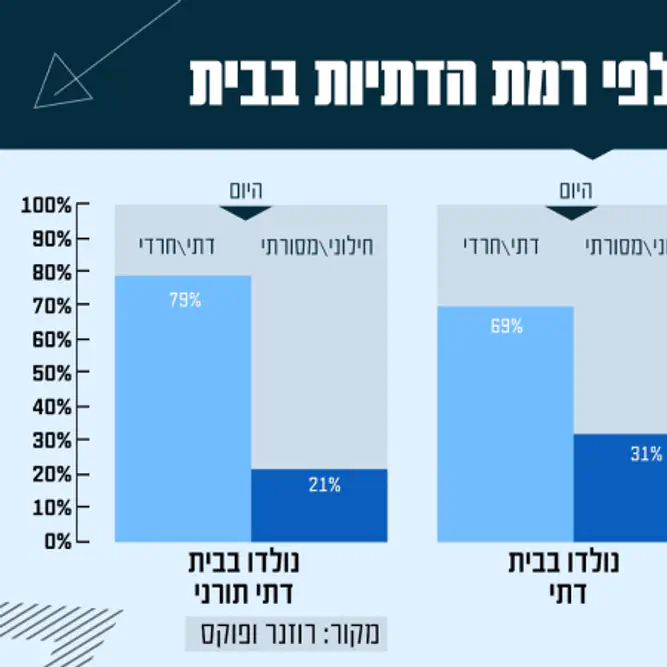
51% מהבוגרים שנסקרו שנולדו בבתים שהגדירו עצמם דתיים ליברליים הגדירו עצמם חילונים או מסורתיים, לעומת 21% בלבד שגדלו בבתים שהגדירו עצמם תורניים
מחקר נוסף (רוזנר ופוקס, 2018) מראה כי ככל שאדם מחנך את ילדיו בחברה מעורבת ופתוחה, כך הסיכוי שהם יהיו דתיים הולך ויורד. ככל שהוא מחנך אותם בחברה נפרדת ועם מורים יראי שמיים, הסיכוי שהם יישארו דתיים הולך וגובר. ככל שהבית מקפיד יותר על הלכות ומצוות, כך הילדים ישמרו יותר על המצוות ועל התורה. ככל שהבית יותר מתירני וליברלי, כך יהיה דור ההמשך מתירני וליברלי יותר מההורים שלו.


אם מדובר בתלמידי ישיבות ואולפנות עם פנימיות, הנשירה היא 10% עד 20%, תלוי ברמת הדתיות של בית הספר. לפעמים אפילו פחות. המספר הנמוך הזה מלמד שהנשירה איננה מובנית בחינוך הציוני-דתי. תלמיד יכול להמשיך לשרת בצבא, להמשיך לעבוד ולהתפרנס, להיות משולב בחברה הישראלית ולהישאר ברמה דתית גבוהה.
הנשירה – מקור הכוח של הציבור החילוני
מסקנת לא מעט חוקרים היא שהנשירה הגדולה הזו בציבור הדתי היא מקור הגידול בציבור החילוני בישראל. הנשירה מהציבור הדתי היא הסיבה לכך שיש במדינה מוקדי כוח שמושכים את המדינה לכיוון חילוני יותר ויותר.
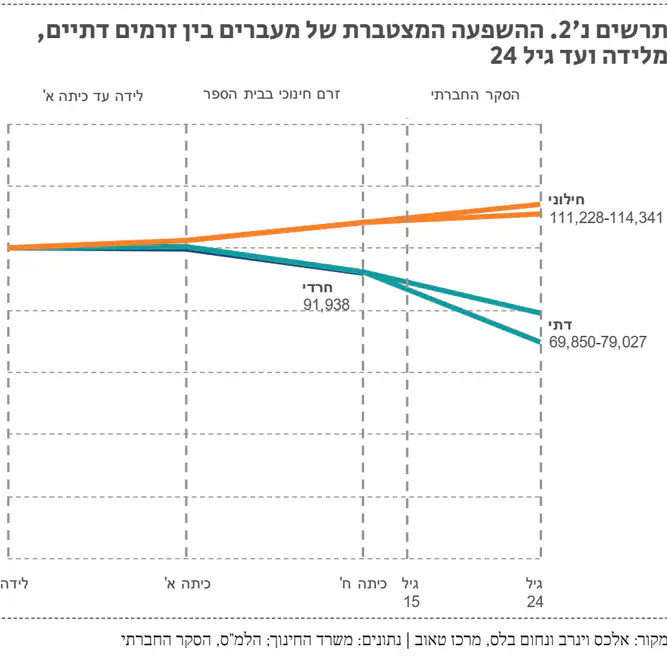
הגרף הזה מלמד כי מכל 100,000 ילדים בכיתה א' נשארים כ-90 אלף ילדים במגזר החרדי; רק 70–80 אלף בציבור הדתי-לאומי
עיתוני המגזר – חייבים לעשות שינוי
כואב לספר את הנתונים האלה להורים ולמורים ולרבנים ולכל מנהיגי הציבור, אבל חייבים לשים את הנתונים מול העיניים אם אנחנו רוצים לתקן. ובאמת אין לנו שום ברירה. התיקון הזה הוא גם ברמה של העיתונים, שלא יכולים לפרסם בחורה שהולכת להתגייס למג"ב ולספר לכולם כמה זה אטרקטיבי. כי בסופו של דבר אולי היא תישאר דתייה, אבל רוב הבנות שיאמצו את דרכה יעזבו את הדרך מהר מאוד. אי אפשר לבלבל את הציבור במסרים סותרים.
מערכת החינוך חייבת לעשות שינוי
הנתונים האלה מחייבים את מערכת החינוך לשים את הדגש המרכזי שלהם על חינוך לאמונה ולשמירת מצוות, ולא על דמוקרטיה והכלת האחר וכדומה. מתמטיקה היא באמת חשובה מאוד, אבל אין ערוך לחשיבות של ההשקעה בלימוד אמונה, בסופו של דבר היא יסוד הכול. אם תהיה לנו מדינה של מתמטיקאים שלא מבינים מאיפה באנו ולאן אנחנו הולכים, לא תהיה לנו מדינה.
המערכת חייבת לאתר את המנהלים והמורים הכושלים ולשלוח אותם אחר כבוד לביתם. המערכת חייבת לחזק את המפקחים, המנהלים והמורים המצליחים ולתת להם כוח להמשיך ולהוביל את המערכת קדימה.
ההורים חייבים לעשות שינוי
חייבים לעשות שינוי גם ברמת הבית. אני רוצה לפנות לכל הזוגות הצעירים שמתחתנים או שיתחתנו או שכבר התחתנו: כשאתם שואלים את עצמכם אם להכניס לבית שלכם טלוויזיה, סמארטפונים לא מסוננים ועיתונים חילוניים אתם שואלים את עצמכם כמה ילדים דתיים אתם רוצים שיהיו לכם וכמה דתל"שים. ההחלטה היא היום, ולא כשהבן שלכם מודיע להם שהחליט להוריד את הכיפה.
כשאת שואלת את עצמך כמה להדר בצניעות וכמה לוותר לעצמך את שואלת את עצמך את אותה שאלה. כשאתה שואל את עצמך כמה להקדיש זמן ללימוד על הילדים הקטנים שלך ב'אבות ובנים' אתה קובע את העתיד של הילדים שלך. כשאתם שואלים את עצמכם אם לעודד את הילדים להתחתן בגיל מוקדם או להתחתן בגיל מאוחר אתם קובעים את רמת הדתיות שלהם בעתיד. אפילו כשאתם מתלבטים אם להיות באחווה ביניכם או לריב ליד הילדים או חלילה להתגרש אתם קובעים אם ילדיכם יהיו דתל"שים או ישמרו תורה ומצוות.
תנועות הנוער חייבות לעשות שינוי
תנועות הנוער חייבות לעשות שינוי. תנועות הנוער הן גורם מרכזי מאוד בדתיות או באי-דתיות של החניכים שלהן, ומצד זה הם גורם מרכזי מאוד בחיזוק היהדות בקרב בני הנוער. מצד שני החברה המעורבת שיש בסניפים היא גורם עצום בתהליך החילון. נפילה בנושא צניעות גורמת להרבה בני נוער לזרוק את הכול כדי שלא לעשות שקר בנפשם. הנתון הזה חייב להיות לנגד עיניהם של מורי הדרך בתנועות הנוער.
מי לה' אליי
בעיניי אין נושא חשוב יותר מהנושא הזה. מדינת ישראל חזקה מבחינה כלכלית. מדינת ישראל ניצחה ומנצחת את כל אויביה. מדינת ישראל רוכשת עוד ועוד השפעה בין אומות העולם. מדינת ישראל מנצחת ותנצח את הקורונה. אם לא תהיה פה מדינה עם אמונה, לא תהיה פה מדינה כלל וכלל.
לציבור הדתי-לאומי יש השפעה גדולה מאוד על אופי המדינה. הציבור הזה הוא גורם מספר אחת בהתיישבות ובהפיכת יהודה ושומרון לחלק ממדינת ישראל. הוא גורם מספר אחת בעוצמת הצבא וגורם שהצבא לא יהפוך לעוד סניף של מר"צ, כמו שהזהיר בעבר אחד שר הביטחון אחרי ישיבה עם קציני המטכ"ל הבכירים.
יש לציבור הדתי-לאומי השפעה גדולה כל כך בתחומים רבים מאוד, ואנחנו לא יכולים להישאר אדישים כשכמעט חצי מהילדים שלנו מפסיקים להחזיק באורח חיים דתי. חייבים לעצור את שגרת החיים ולבדוק את הכול מחדש.
זו שעת חירום. חייבים לעזוב הכול ולהתגייס לזה. חייבים להפנות את כל התקציבים לשם כך. חייבים להפנות את כל המחנכים הטובים למערכות החינוך. כל מערכת עיתון ואתר דתי-לאומי חייבים לעשות חשבון נפש ותשובה בחודש אלול זה. כל קומונרית וכל מדריך ומדריכה חייבים לחשוב איפה הם שותפים בחילון הזה או בהדתה הזו. כל רב וכל בית חייבים לעשות לעצמו חשבון נפש ולהחליט איך הם מתקנים את הבית שיהיה בטוח יותר לגידול ילדים שימשיכו את האור הגדול לעם ישראל.
Saturday, April 1, 2023
Long Term Effects
The importance of not underestimating the long-term effectiveness of our current actions could not be better illustrated than with the following account I recently heard from someone who heard it a couple of years ago from the protagonist himself.
In the years following the establishment of the State of Israel, waves of Jewish immigrants came to Eretz Yisrael from the surrounding Middle Eastern countries. The Jewish Agency often separated Sephardic children from their parents and placed them in brainwashing centers disguised as resettlement camps.
When the Chazon Ish ztz”l learned that one of these camps was being established at a remote location, too far from Bnei Brak for him to visit personally, he summoned two teenaged chareidi bochurim; we’ll call them Yossi and Bentzy. “I need you to go and speak to those children and give them chizuk to hold on to their Yiddishkeit,” he instructed them.
The guards at the gate of the compound took one look at these two 17-year-olds with yarmulkes and long peyos and barred them from entering. Undaunted, the pair circled the camp several times, searching for another way in. Unfortunately, they could not find one. Half an hour later, they were back to where they started.
They decided to leave and come back to try again, assuming that the gate would not be under continuous surveillance. An hour later, however, the entrance was as carefully guarded as before. After devoting the better part of a day to their unsuccessful attempt to gain access to the Sephardic children being held in the compound, Yossi and Bentzy reluctantly returned home, bitterly disappointed.
When they arrived back in Bnei Brak, they went straight to the home of the Chazon Ish, recounting, with long faces, their failure to carry out their mission.
“Don’t feel bad about it,” the Chazon Ish said softly, trying to comfort them. “You did all you could. Obviously, Hashem did not want or need for you to do more than that. Bitachon means believing that Hashem has a plan and a purpose for everything.”
Sixty years later, the nearly octogenarian Yossi was still living in Bnei Brak. One night, a Sephardic neighbor was marrying off his son. Although Yossi did not know this neighbor very well, he nevertheless decided to pop in to the chasunah just to say mazel tov. After greeting his neighbor, Yossi was introduced to the neighbor’s father.
“It is such a wonderful simchah for me to see my grandson, an outstanding ben Torah, getting married,” the grandfather of the chassan gushed to Yossi. “You know when I first came to this country, they tried to tear us away from Torah altogether. I arrived with about a hundred other children, and only a handful of us succeeded in remaining religious.”
“How did they try to turn you against Torah?” Yossi asked, curious to learn more details about this sad chapter of Jewish history from a near victim.
“We were separated from our parents and taken to an isolated resettlement camp,” the man recounted. “Our counselors tried to indoctrinate us with their secular ideology. They told us that our kippot and peyot, simanim [symbols] of our Judaism, were only necessary while living in non-Jewish lands. They claimed that in the holy land of Israel, where everyone is Jewish, people don’t keep these simanim, and we, too, should discard these old-fashioned trappings of galut.”
Yossi shook his head in disgust, utterly unprepared for what he was about to hear.
“One day, however,” the grandfather continued, “I was looking out the window, and I saw two boys, about 17 or 18 years old, walking around and around the camp. I jumped up and called my friends. ‘Look,’ I pointed, as my friends crowded around the window. ‘Those are Israeli boys! And they look just like us, with kippot and long peyot!’ We realized that the counselors had been lying to us, and that helped some of us resist their efforts to get us to abandon Torah and mitzvot.”
It took 60 years for Yossi to learn that his mission had, in fact, succeeded; he had come face-to-face with one of the Sephardic boys he had helped to remain frum. He then realized that the Chazon Ish’s words were practically prophetic: “You did all you could. Obviously, Hashem did not want or need you to do more than that.”
If we could only remember and apply the words of the Chazon Ish to our own lives whenever we fail to achieve our parenting or chinuch objectives — however well-intentioned and however hard we try. We would not give up hope when our tefillos are not answered or our hopes not realized. Rather, we would be mechazek ourselves that it might just take a bit longer for our efforts to bear fruit.
Subscribe to:
Posts (Atom)